
The Crossing Nobody Gave Her
Almost every woman in the world crossed into womanhood without ceremony, without witness, without anyone naming what was happening as sacred. This is what that cost her, and what becomes possible when she doesn't cross alone
The Crossing Nobody Gave Her
Honour Her · TŌTOKI · Why the unwitnessed transition into womanhood costs women more than we know
Think back to when you were sixteen, seventeen, eighteen.
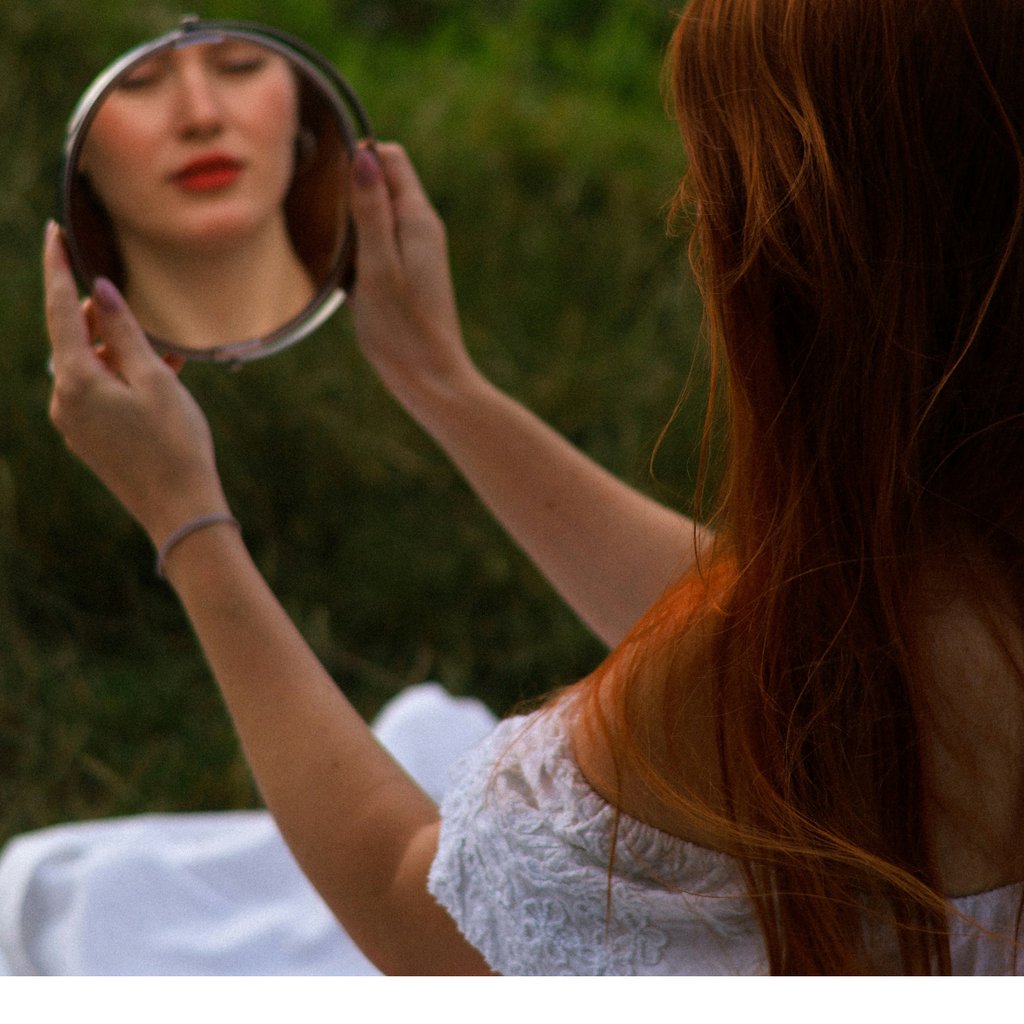
Think about the crossing. The years of moving from girl to woman. From the world of childhood — with all its structures and protections and the particular safety of being someone's daughter — into the full, complex, completely uncharted territory of adult life.
Was it witnessed? Was there a ceremony — a community of women, a sacred threshold, a moment in which someone said to you: we see you crossing. We honour this. You are not alone in it?
For most women the answer is no.
The crossing happened without ceremony. Without witness. In the middle of ordinary life — between one school year and the next, between one birthday and the one that followed. Nobody pulled her aside and said: what is happening in you right now is significant. Your body, your identity, your sense of yourself in the world — all of it is transforming. That deserves to be honoured. You deserve to be seen in it.
The world simply moved on. And she moved with it. Carrying the transition unprocessed, unmarked, uncelebrated.
The unwitnessed crossing does not disappear. It waits. In the woman's relationship with her own worth. In the way she enters and leaves relationships. In the particular question that lives quietly underneath so much of adult life: am I enough?
What Rites of Passage Actually Do
The function of a rite of passage is not merely symbolic. It is psychological and neurological. Ceremony — the specific, communal, intentional marking of a transition — does something in the nervous system that no amount of private processing can replicate.
Research on rites of passage across cultures shows that formal initiation ceremonies reduce anxiety around major life transitions, strengthen group belonging and identity, and accelerate the psychological integration of the transition being marked. The brain processes witnessed transitions differently from unwitnessed ones — the social confirmation of the change appears to complete something in the neurological processing of it.
In practical terms: the girl who crosses into womanhood with ceremony and witness does not just feel better about the crossing. She integrates it differently. She arrives on the other side of it knowing — in her body, with certainty — that something has genuinely shifted. That who she was and who she is becoming are distinct. And that the distinction was significant enough to be marked.
The girl who crosses without ceremony does not have this. She has only the private, unverified sense that something changed — without the social confirmation that makes the change real.
The Cost in Adult Life
The woman who crossed without ceremony often spends years of her adult life unconsciously seeking the witness she did not receive. Looking for someone to see her completely. To mark her worth. To confirm that she is who she believes herself to be.
This is not weakness. It is the completely predictable consequence of a developmental need that was not met. The nervous system keeps looking for what it did not find.
She may find it eventually. In a deep friendship, a good therapy relationship, a partnership that truly sees her. But the searching costs her. In the relationships she stays in too long. In the ones she leaves before they can hurt her. In the chronic low-level uncertainty about her own worth that is the specific tax of the unwitnessed crossing.
What You Can Give Her
You cannot go back and receive what was not given to you. But you can give your daughter something different. Something that the women who came before you — your mother, her mother, the long line of women who crossed unwitnessed — could not give theirs.
You can give her TŌTOKI. Thirteen months. Six movements. A crossing that is witnessed, named, celebrated, surrounded by women who take her becoming as seriously as it deserves to be taken.
She will not have to spend her adult life looking for what she already has.
She crossed. She was seen. It was real.
That is the gift.
With love, Paige xo
Founder, Honour Her · Lamoureux Lane
Quicklinks
© 2026. All rights reserved.
The Rites Of Passages Our Girls Have Always Needed